A collection of structure photographs from the archive.
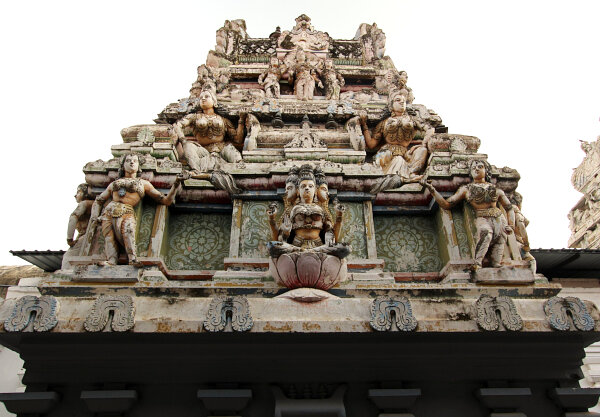
Munneswaram Temple
Munneswaram temple - complex
Country: Sri Lanka
Date: 2022
Place: Chilaw
An important regional Hindu temple complex in Sri Lanka. It has been in existence at least since 1000 CE.
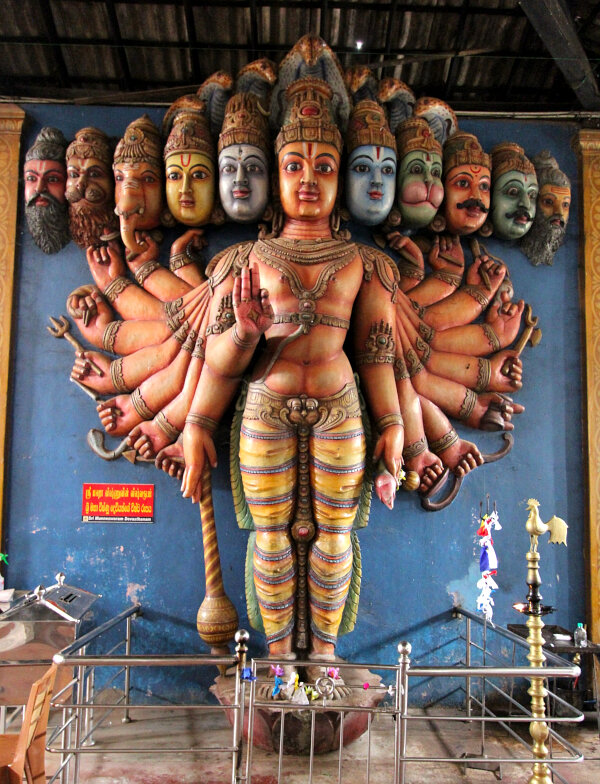
Munneswaram Temple
Multiple god heads
Country: Sri Lanka
Date: 2022
Place: Chilaw
Symbolize omniscience, multifaceted attributes, and the ability to view the universe from all directions simultaneously..
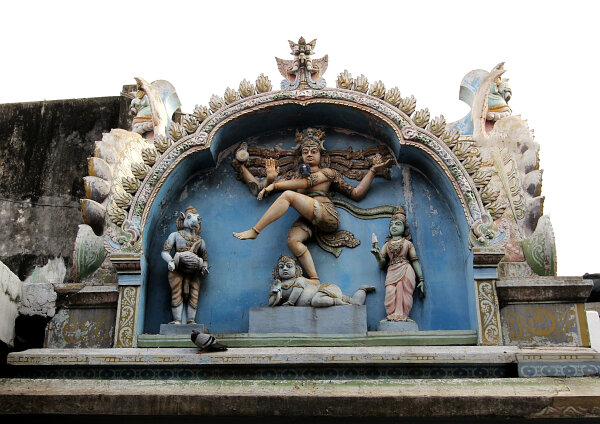
Munneswaram Temple
Nataraja, the "Lord of Dance"
Country: Sri Lanka
Date: 2022
Place: Chilaw
A depiction of the Hindu god Shiva as a four-armed cosmic dancer performing the Tandava. He symbolizes the cosmic cycle of life, dancing upon the demon Apasmara, representing the destruction of ignorance.
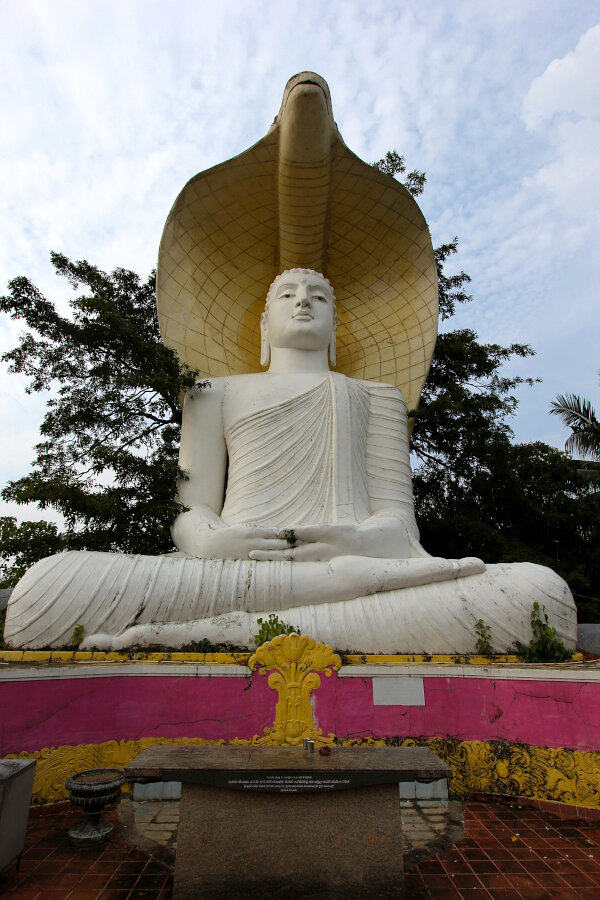
Thumulasoma Maha Pirivena
The Sri Pushparamaya
Country: Sri Lanka
Date: 2022
Place: Chilaw
Historic Buddhist monastic institution and educational center. Its rich history stretches from ancient times up through the modern day, serving as a vital spiritual and educational pillar for the local community.
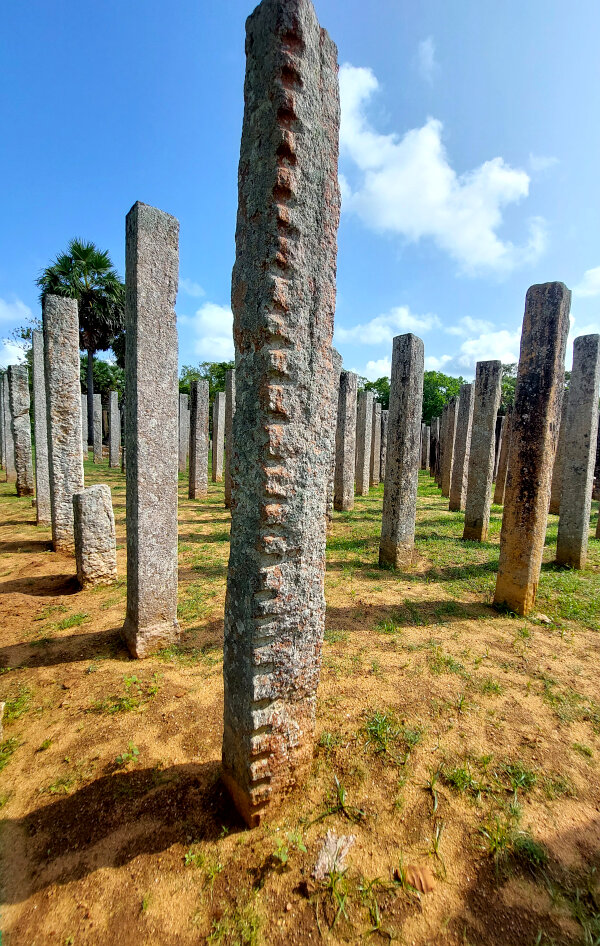
Brazen Palace
Lovamahapaya
Country: Sri Lanka
Date: 2023
Place: Anuradhapura
!UNESCO World Heritage Site. Originally a nine-story, 1,000-room monastery with a bronze-tiled roof, it was the tallest building in the region for centuries. Today, it consists of 1,600 stone columns.
Is an ancient, historically significant site built by King Dutugemunu in the 2nd century BC.
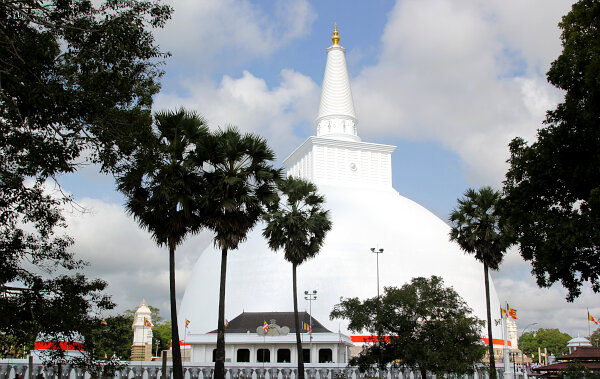
The Ruwanweli Maha Seya
Maha Thupa
Country: Sri Lanka
Date: 2023
Place: Anuradhapura
!UNESCO World Heritage Site. The stupa is one of the world`s tallest ancient monuments, standing at 103 m and with a circumference of 290 m.
Two quarts or one Dona of the Buddha`s relics are enshrined in the stupa, making it the largest collection of his relics anywhere. It was built by Sinhalese King Dutugemunu in c. 140 B.C., who became king of Sri Lanka.
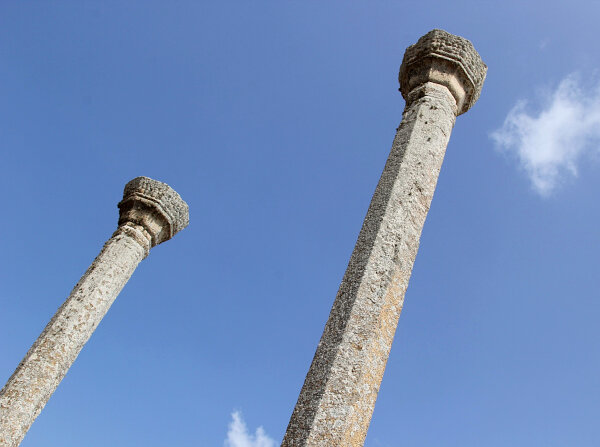
Pillers of Thuparamaya
Thuparamaya Buddhist temple
Country: Sri Lanka
Date: 2023
Place: Anuradhapura
!UNESCO World Heritage Site. The earliest documented Buddhist temple in Sri Lanka.
Located within the sacred precinct of Mahamewna park, the Thuparamaya Stupa is the earliest Dagoba to be constructed on the island, dating back to the reign of King Devanampiya Tissa (247-207 BC).
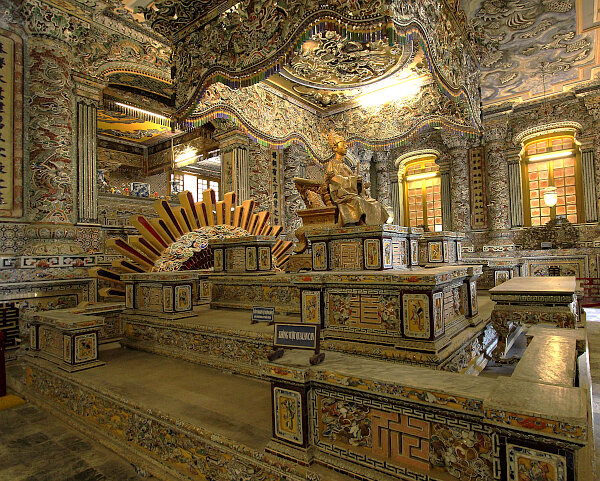
Khai Dinh Mausoleum
Khai Dinh mausoleum
Country: Vietnam
Date: 2013
Place: Hue
!UNESCO World Heritage Site.
Known for its intense, opulent mixture of Vietnamese, European, Roman, and Gothic styles, featuring intricate porcelain/glass mosaics and 127 steps, completed in 1931.
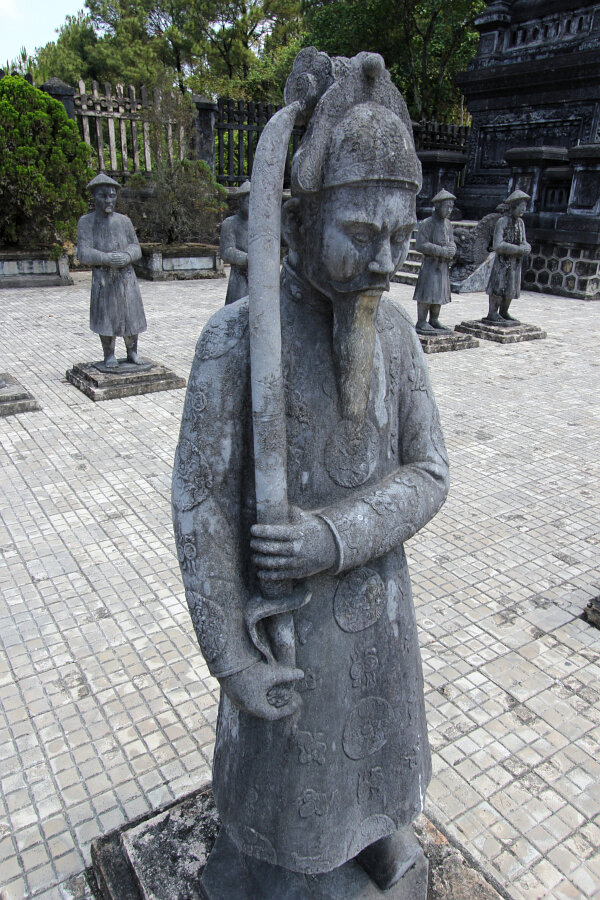
Mandarin Soldiers
Mandarin soldiers Khai Dinh tomb Hue
Country: Vietnam
Date: 2013
Place: Hue
!UNESCO World Heritage Site.
24-statues stone collection consists of 4 military mandarins, 4 literature mandarins, 12 soldiers, and elephants/horses located in the Honor Courtyard. Arranged in two rows displaying detailed, realistic features, symbolizing the emperor`s loyal guardians within a blend of Eastern-Western, concrete-based, and ornate mosaic architecture.
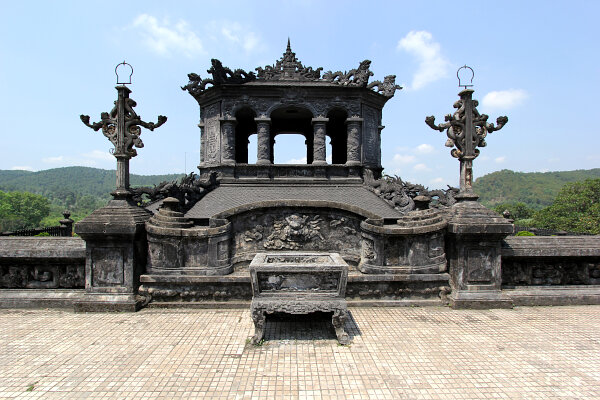
Khai Dinh Tomb
Khai Dinh tomb
Country: Vietnam
Date: 2013
Place: Hue
!UNESCO World Heritage Site.
Khải Định worked closely with the government of France, he was considered to be nothing more than "a salaried employee of the French government". Due to close collaboration, he was very unpopular amongst the people of Vietnam.
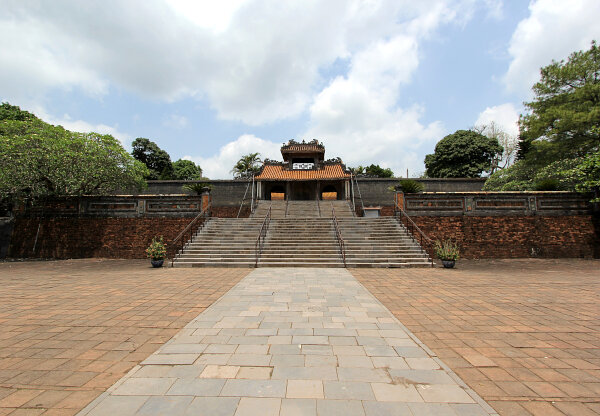
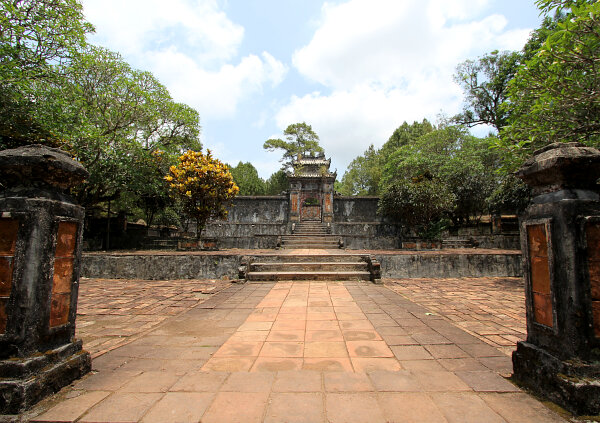
Tomb of Emperor Tu Duc
Tomb of Emperor Tự Đức
Country: Vietnam
Date: 2013
Place: Hue
!UNESCO World Heritage Site.
It is built for the Nguyễn Emperor Tự Đức and took three years to build, from 1864 to 1867. It is divided into a Temple Area and a Tomb Area.
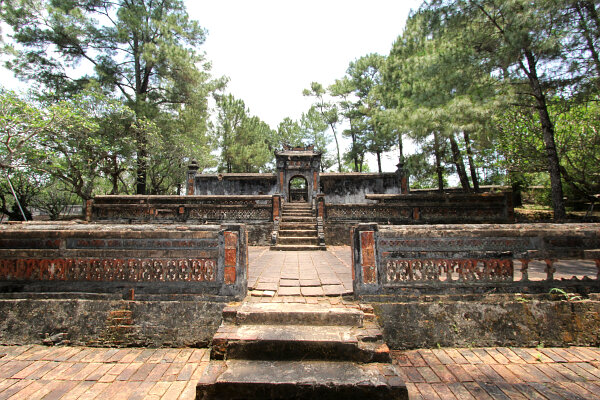
Tu Duc Tomb
Tu Duc tomb
Country: Vietnam
Date: 2013
Place: Hue
!UNESCO World Heritage Site.
Emperor Tu Duc enjoyed the longest reign of any monarch of the Nguyễn dynasty, ruling from 1848 to 1883.
Tu Duc Tomb
Tu Duc tomb
Country: Vietnam
Date: 2013
Place: Hue
!UNESCO World Heritage Site.
Although teh Emperor had 104 wives and concubines, he was unable to father a son (possibly he became sterile after contracting smallpox).
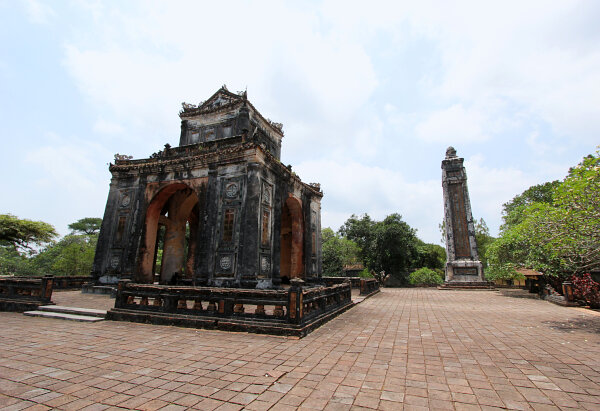
Tu Duc Tomb
Tu Duc tomb
Country: Vietnam
Date: 2013
Place: Hue
!UNESCO World Heritage Site.
Thus, it fell to the Emperor to write his own epitaph on the deeds of his reign. He felt this was a bad omen, but the epitaph can still be found inscribed on the stele in the pavilion just to the east of the Emperor`s tomb..
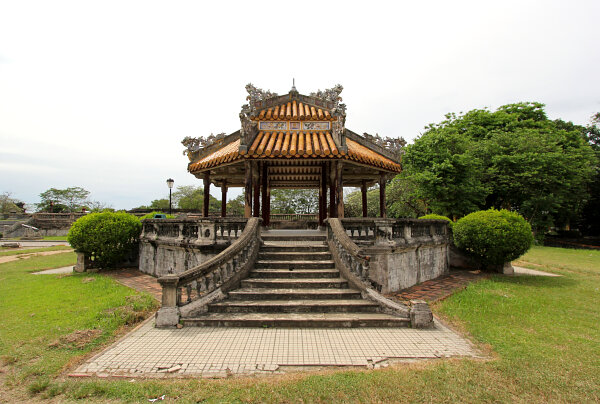
Garden Structure
Next to Kien Trung Palace
Country: Vietnam
Date: 2013
Place: Hue
!UNESCO World Heritage Site.
Inside of the Imperial Palace also known as Đại Nội (大內), is a royal enclosure within the walled city of Huế, the former imperial capital of Vietnam during the Nguyễn dynasty.
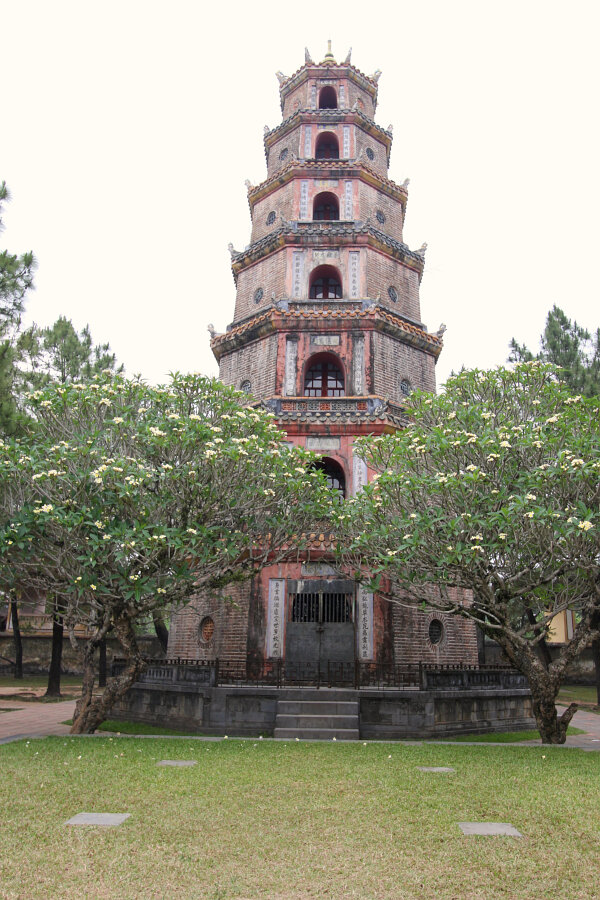
Phuoc Duyen tower
Phuoc Duyen tower in Thiên Mụ temple
Country: Vietnam
Date: 2013
Place: Hue
!UNESCO World Heritage Site.
This iconic seven-story Phước Duyên pagoda is regarded as the unofficial symbol of the city.
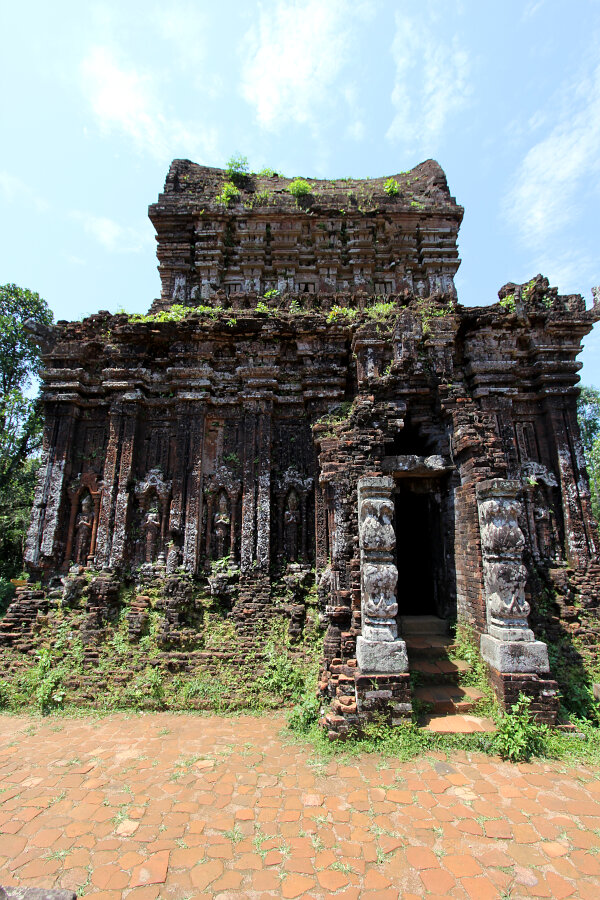
My Son Sanctuary
My Son sanctuary
Country: Vietnam
Date: 2013
Place: My Son
!UNESCO World Heritage Site.
Between the 4th and 13th centuries a unique culture which owed its spiritual origins to Indian Hinduism developed on the coast of contemporary Viet Nam.
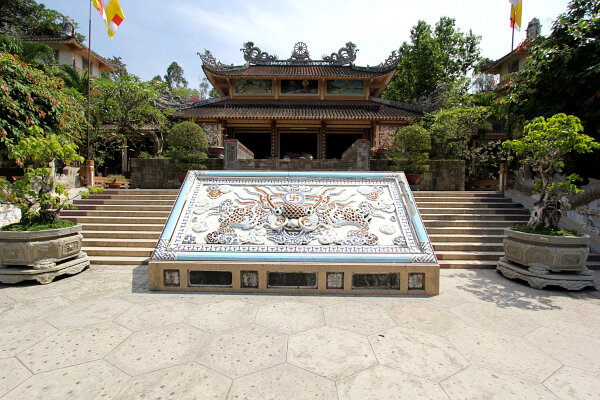
Long Son Temple
Long Sơn temple
Country: Vietnam
Date: 2013
Place: Nha Trang
Temple was erected on another hill in 1886 and after a large cyclone which destroyed the temple, the temple had to be moved from the hill to its current location.
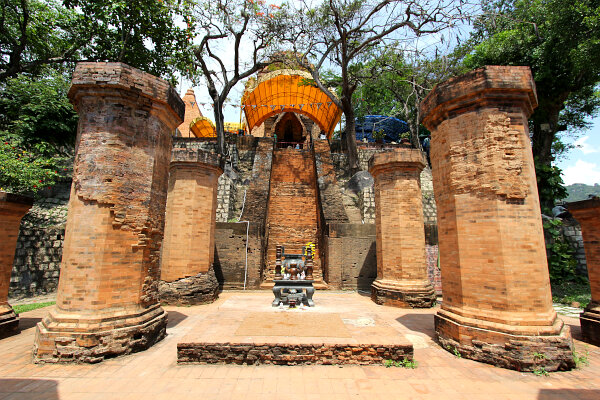
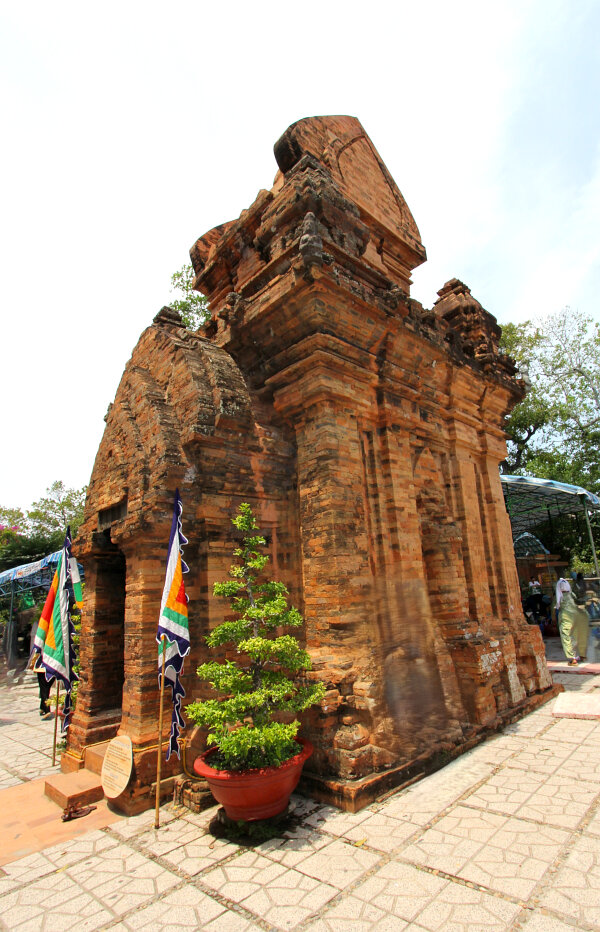
Po Nagar Temple
Entry way to Po Nagar temple
Country: Vietnam
Date: 2013
Place: Nha Trang
A stele dated 781 indicates that the Cham King Satyavarman regained power in the area of "Ha-Ra Bridge", and that he restored the devastated temple.
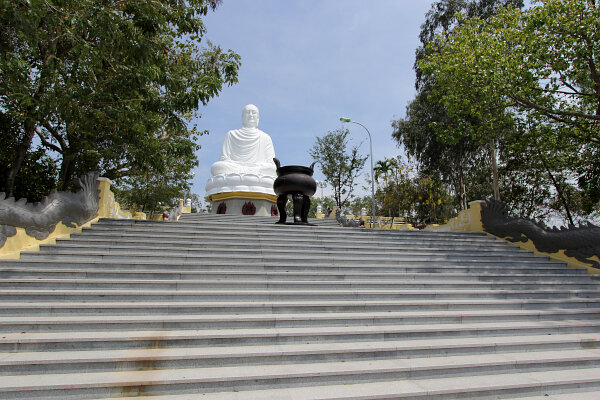
Thich Ca Mau Ni
Gautama Buddha or Sakyamuni Buddha
Country: Vietnam
Date: 2013
Place: Nha Trang
Budhha statue on top of the hill with 150+ steps.
Po Nagar Temple
Po Nagar temple
Country: Vietnam
Date: 2013
Place: Nha Trang
A stele dated 781 indicates that the Cham King Satyavarman regained power in the area of "Ha-Ra Bridge", and that he restored the devastated temple.