A collection of heritage detail and symbol photographs from the archive.
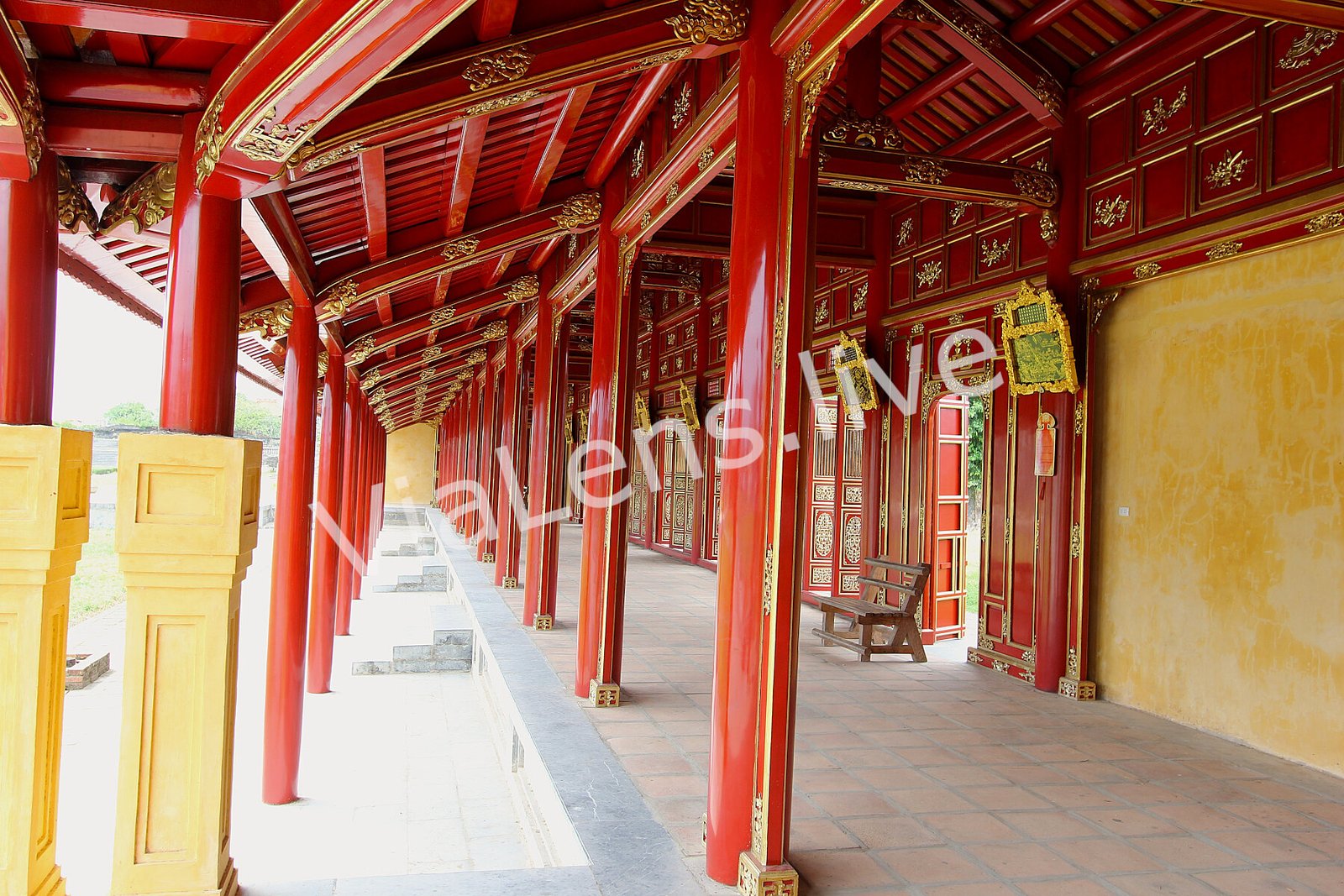
Hue Imperial City
Internal structures of Thai Hoa palace
Country: Vietnam
Date: 2013
Place: Hue
Originated between 1802 and 1832 and reconstructed late 20th century
Traditional Vietnamese Imperial Court style
Made by Gia Long & Minh Mạng
!UNESCO World Heritage site.
The former imperial capital of Vietnam during the Nguyễn dynasty.
Dragon Carved Column
Hokkien Huay Kuan
Country: Malaysia
Date: 2026
Place: Melaka
Established 1801
Southern Chinese (Hokkien / Minnan) style
!Dragon motifs are among the most important symbolic elements in traditional Chinese architecture.
An elaborately carved temple column wrapped by a dragon symbolises power, protection and prosperity. Such decorative stonework reflects centuries of Chinese artistic traditions preserved within Melaka's historic temples.
Kampung Ketek Sign
Historic district marker
Country: Malaysia
Date: 2026
Place: Melaka
A traditional neighbourhood sign marks Kampung Ketek, one of the historic communities of Melaka. Such markers preserve local identity and connect visitors with the city’s cultural heritage.
Historic Shophouse Façade
Peranakan architectural details
Country: Malaysia
Date: 2026
Place: Melaka
Late 19th to Early 20th century
Straits Eclectic / Late Straits style
!Historic shophouses are among the defining architectural features of old Melaka.
Decorative plasterwork, timber shutters and pastel-coloured ornamentation highlight the craftsmanship of a traditional Melaka shophouse. Such façades blend Chinese, Malay and European influences into the distinctive Peranakan architectural style.
New addition
Skull and Crossbones Pavement
Symbol of mortality at Sedlec Ossuary
Country: Czech Republic
Date: 2022
Place: Sedlec, Kutná Hora, Czech Republic
Late 19th Century (circa 1870)
Bohemian Cobblestone Mosaic / Gothic style
Made by or conceptually tied to František Rint
!Sedlec Ossuary is a Roman Catholic chapel famous for its decorations made from human skeletal remains. The bones of an estimated 40,000 to 70,000 people are associated with the ossuary. The skull and crossbones is a traditional memento mori, reminding viewers of the inevitability of death.
A skull and crossed bones are outlined in contrasting white stones against an irregular cobblestone pavement at Sedlec Ossuary. The simple design reflects the historical symbolism of death and human mortality associated with this extraordinary burial site.
New addition
Religious Mural at Kelaniya Temple
Traditional religious painting with symbolic figures
Country: Sri Lanka
Date: 2023
Place: Kelaniya Raja Maha Vihara, Sri Lanka
Painted between 1932–1946
Neo-Classical Buddhist / Revivalist style
Painted by Walimuni Solias Mendis
!This famous image depicts Princess Hemamala and Prince Dantha bringing the Sacred Tooth Relic of the Buddha to Sri Lanka. The princess secretly hid the Buddha's Tooth Relic inside her high hair topknot.
The scene documents a defining 4th-century historical event recorded in the Dathavamsa chronicle.
New addition
Gothic Vaulting of the Corpus Christi Chapel
Medieval ossuary beneath the unfinished chapel
Country: Czech Republic
Date: 2022
Place: Kutná Hora, beside St. Barbara’s Church
Construction began in the 1380s; restored 1997–2000
High Gothic style
!The chapel preserves one of the rare largely intact High Gothic interiors in the Czech Republic. It is closely connected with the beginnings of St. Barbara’s Church, but is a distinct structure rather than the church’s basement. After years of deterioration, it was rescued by a major restoration completed in 2000.
Intersecting pointed arches and stone ribs form the remarkable vaulted interior of the Chapel of Corpus Christi (Kaple Božího těla). The surviving lower level was intended as an ossuary for a two-storey cemetery chapel, while the upper chapel was never completed. Its restrained stone surfaces reveal the structural elegance of medieval Gothic construction.
New addition
Prague Astronomical Clock
The astronomical and calendar dials of the Prague Orloj
Country: Czech Republic
Date: 2023
Place: Old Town Hall, Old Town Square, Prague
Astronomical clock installed in 1410; later additions and restorations
Gothic style
Made by clockmaker Mikuláš of Kadaň, with astronomer Jan Šindel
!The oldest astronomical mechanism dates to 1410, making the Orloj one of the world's oldest surviving working astronomical clocks. The calendar dial was added later; Josef Mánes designed a celebrated nineteenth-century calendar painting, subsequently reproduced. The famous tale that clockmaker Hanuš was blinded to prevent him from making another clock is a legend, not established history.
The elaborate façade of the Prague Orloj combines a medieval astronomical dial with a lower calendar dial, carved Gothic ornament and moving figures. The upper dial represents the positions of the Sun and Moon, while the lower dial illustrates the months and the cycle of the year. Its colourful rings, zodiac symbols and figures turn a public clock into a lesson in medieval astronomy and timekeeping.