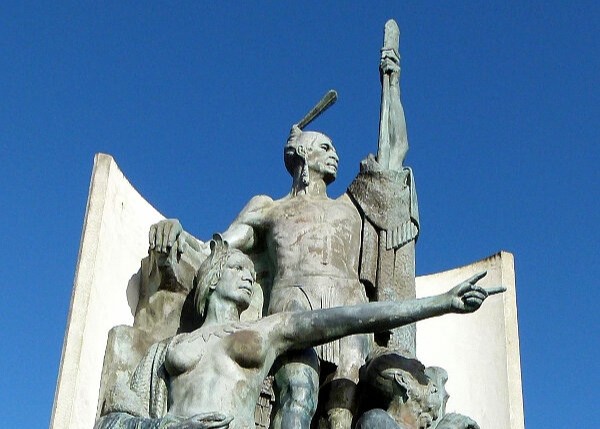
!Kupe's wife, who is traditionally credited with shouting "He ao! He ao!" ("A cloud! A cloud!") upon sighting land.
Depicts the legendary explorer Kupe, his wife Hine-te-aparangi, and tohunga Pekahourangi, celebrating the discovery of Aotearoa (New Zealand).
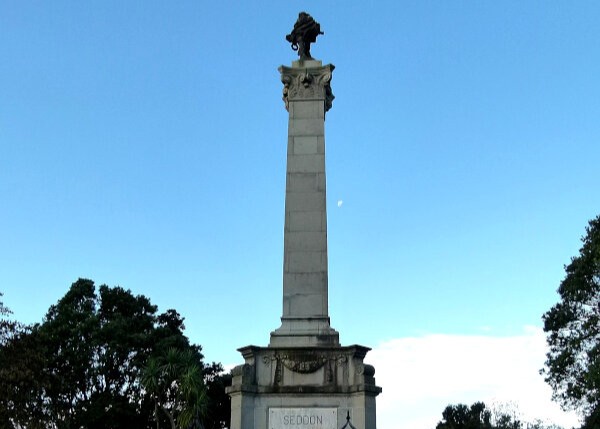
Seddon Memorial
Seddon memorial
Country: New Zealand
Date: 2011
Place: Wellington, North Island
Constructed between 1908 and 1910
A reinforced concrete column style
Made by sculptor Henry Poole and designed by John Campbel
!Former Prime Minister Richard John Seddon
The family tomb is located under the memorial.
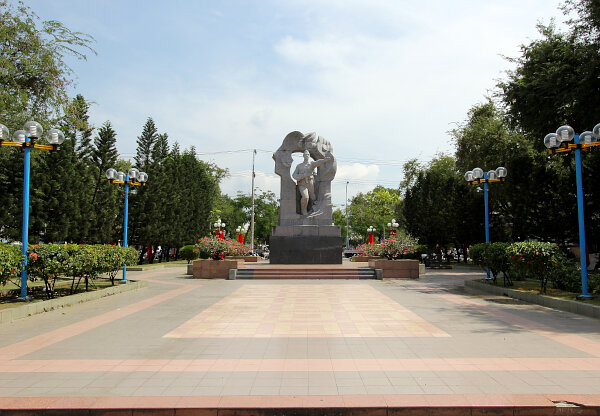
Vo Van Ky Park Monument
Vo Van Ky monument
Country: Vietnam
Date: 2013
Place: Nha Trang
Socialist Realism / Heroic Realism style
Made by sculptor Nguyễn Quốc Thắng is believed
It honors Vietnamese commander Vo Van Ky who died on 23rd October 1945 when fought against French colonialism in South-Central Vietnam.
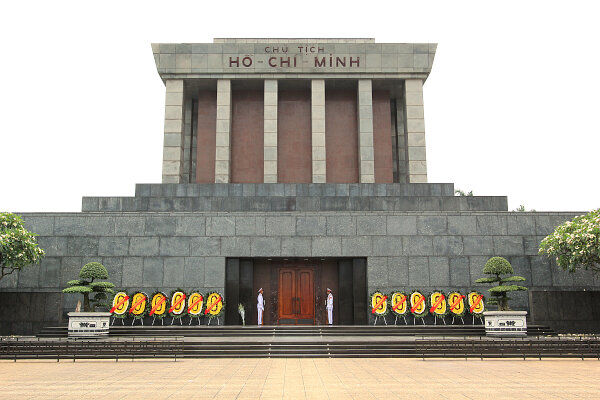
The Ho Chi Minh Mausoleum
The president Ho Chi Minh mausoleum
Country: Vietnam
Date: 2013
Place: Hanoi
Built between 1973 and 1975
Stripped Classicism architectual style
Designed by Garol Isakovich
The resting place of Vietnamese revolutionary leader and president Ho Chi Minh.
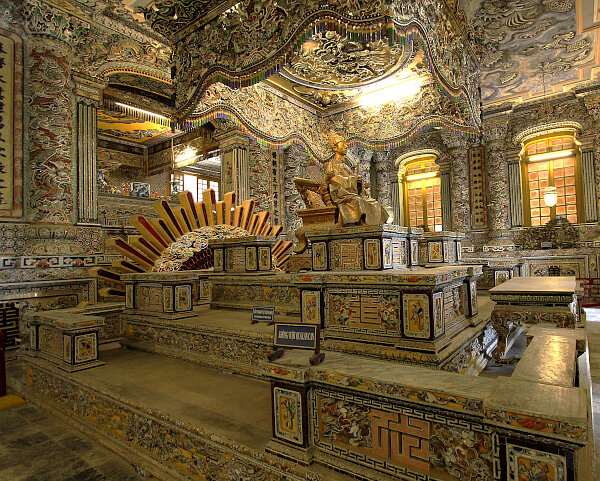
Khai Dinh Mausoleum
Khai Dinh mausoleum
Country: Vietnam
Date: 2013
Place: Hue
Built between 1920 and 1931
Indo-European & Gothic/Roman style
!UNESCO World Heritage Site.
Known for its intense, opulent mixture of Vietnamese, European, Roman, and Gothic styles, and has 127 steps.
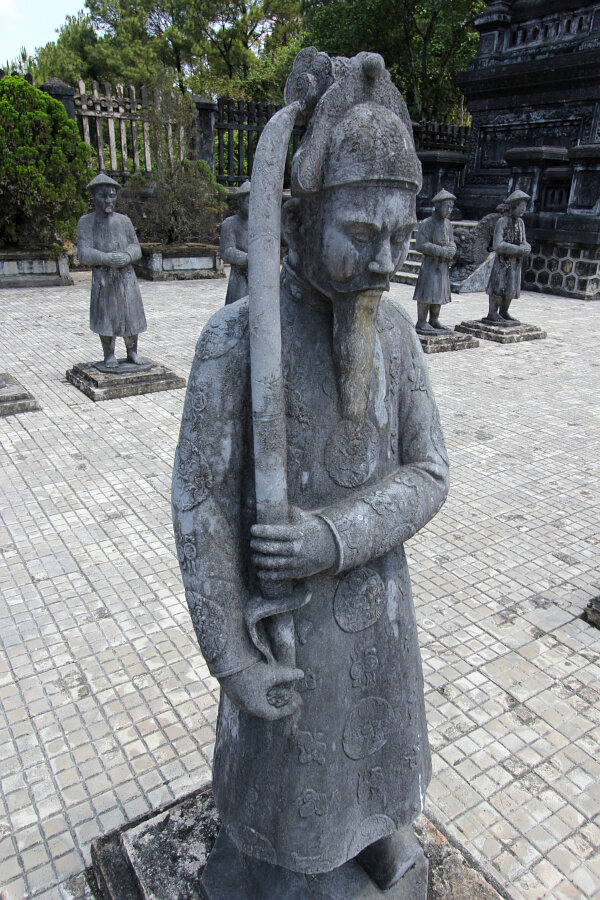
Mandarin Soldiers
Mandarin soldiers Khai Dinh tomb Hue
Country: Vietnam
Date: 2013
Place: Hue
Built between 1920 and 1931
Indo-European & Gothic/Roman style
!UNESCO World Heritage Site.
24-statues stone collection consists of 4 military mandarins, 4 literature mandarins, 12 soldiers, and elephants/horses located in the Honor Courtyard. Arranged in two rows displaying detailed, realistic features, symbolizing the emperor`s loyal guardians within a blend of Eastern-Western, concrete-based, and ornate mosaic architecture.
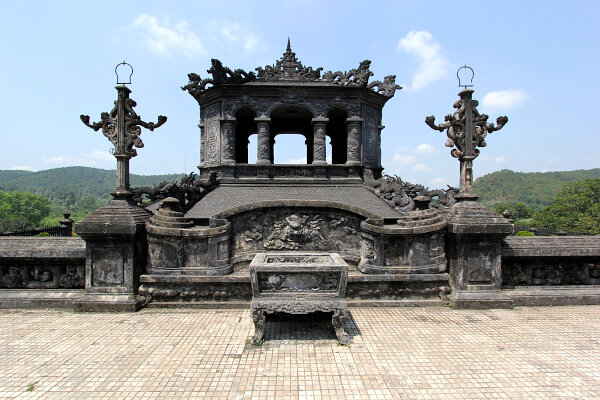
Khai Dinh Tomb
Khai Dinh tomb
Country: Vietnam
Date: 2013
Place: Hue
Built between 1920 and 1931
Indo-European & Gothic/Roman style
Made by artist Phan Văn Tánh
!UNESCO World Heritage Site.
Khải Định worked closely with the government of France, he was considered to be nothing more than "a salaried employee of the French government". Due to close collaboration, he was not very popular amongst the people of Vietnam.
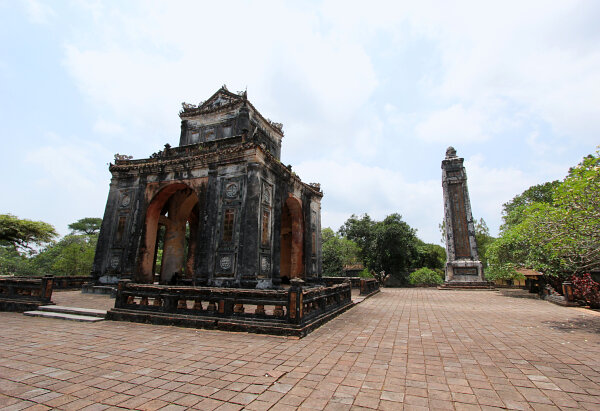
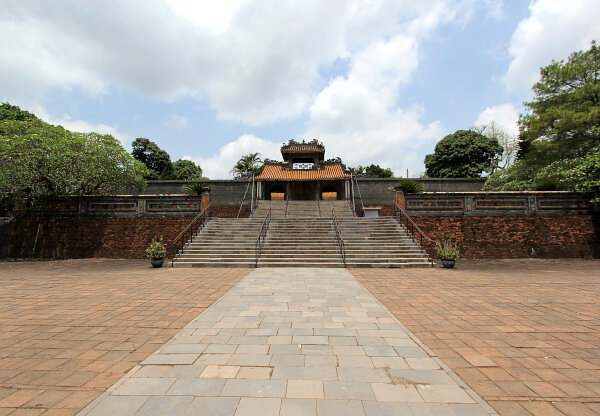
Tomb of Emperor Tu Duc
Tomb of Emperor Tự Đức
Country: Vietnam
Date: 2013
Place: Hue
Built between 1864 and 1867
Traditional Vietnamese imperial architecture style
!UNESCO World Heritage Site.
Emperor Tự Đức was the fourth and longest-reigning emperor of the Nguyễn Dynasty. It is divided into a Temple Area and a Tomb Area.
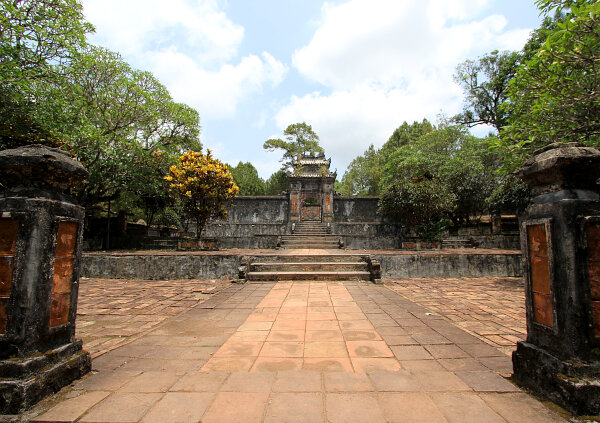
Tu Duc Tomb
Tu Duc tomb
Country: Vietnam
Date: 2013
Place: Hue
Built between 1864 and 1867
Traditional Vietnamese imperial architecture style
!UNESCO World Heritage Site.
Emperor Tu Duc enjoyed the longest reign of any monarch of the Nguyễn dynasty, ruling from 1848 to 1883.
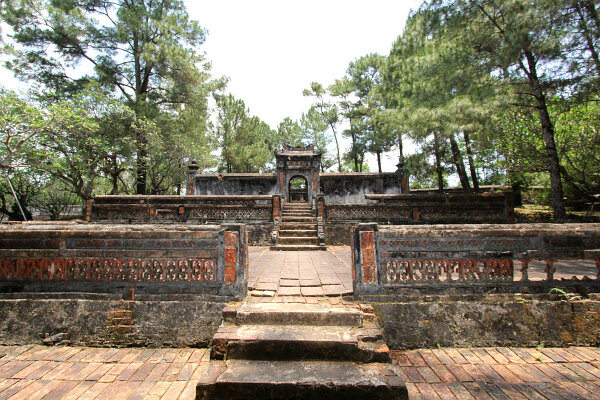
Tu Duc Tomb
Tu Duc tomb
Country: Vietnam
Date: 2013
Place: Hue
Built between 1864 and 1867
Traditional Vietnamese imperial architecture style
!UNESCO World Heritage Site.
Although teh Emperor had 104 wives and concubines, he was unable to father a son (possibly he became sterile after contracting smallpox).
Tu Duc Tomb
Tu Duc tomb
Country: Vietnam
Date: 2013
Place: Hue
Built between 1864 and 1867
Traditional Vietnamese imperial architecture style
!UNESCO World Heritage Site.
Thus, it fell to the Emperor to write his own epitaph on the deeds of his reign. He felt this was a bad omen, but the epitaph can still be found inscribed on the stele in the pavilion just to the east of the Emperor`s tomb..
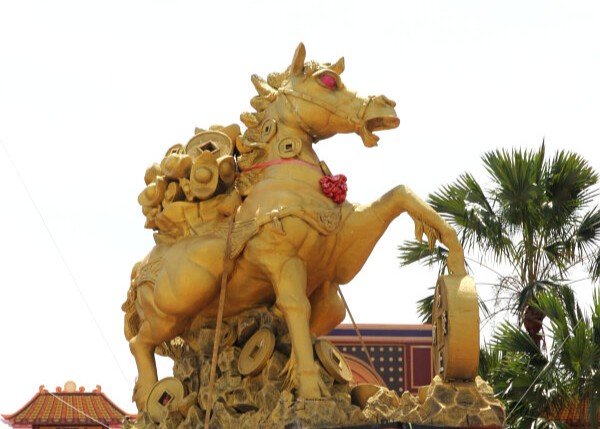
Golden Horse Monument
Chinese New Year celebration display
Country: Malaysia
Date: 2026
Place: Melaka
Unveiled in 2026
A large-scale, golden-hued festive zodiac sculpture and archway display style
Made by Jonker Walk Management Committee
!Installed as part of Melaka’s Chinese New Year festivities and cultural celebrations.
This is a 5.49 m tall festive replica of golden horse decorated with traditional Chinese symbols stands above Jonker Walk during Lunar New Year celebrations. The horse represents prosperity, strength and good fortune in Chinese culture.
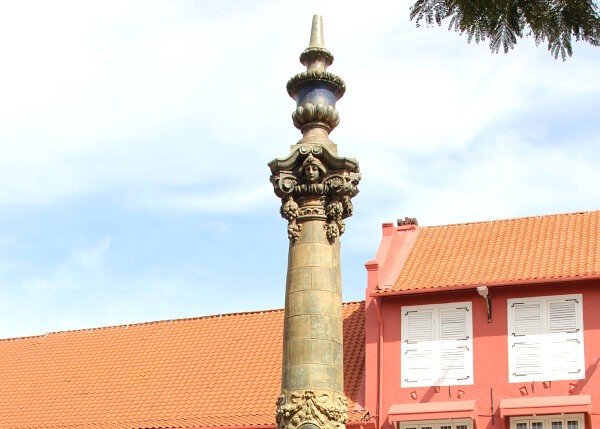
Queen Victoria Fountain
Colonial-era monument in Dutch Square
Country: Malaysia
Date: 2026
Place: Melaka
Completed in 1905
Gothic style
Made by Doulton and Sons
!Built to commemorate Queen Victoria's Diamond Jubilee.
A decorative fountain standing in Melaka's historic Dutch Square, surrounded by the city's distinctive red colonial buildings. The monument reflects the British colonial period and remains one of the most recognisable features of the square.
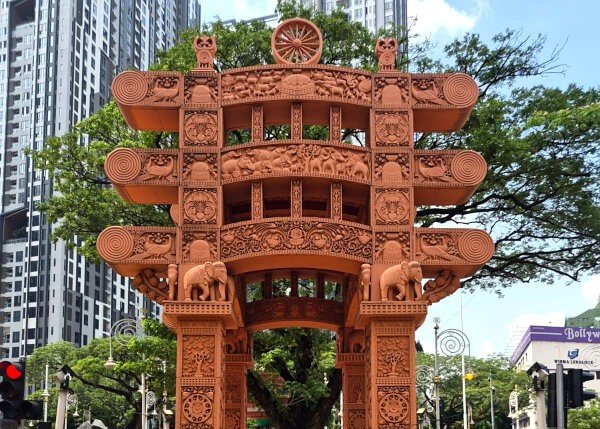
The Torana Gate
Cultural gateway in Little India in Kuala Lumpur
Country: Malaysia
Date: 2026
Place: Kuala Lumpur
Installed in 2010
Pallava style
Made by and gifted by the Government of India
!Brickfields is one of Kuala Lumpur's best-known Indian cultural districts.
A richly ornamented gateway marks Brickfields, Kuala Lumpur’s Little India district. The terracotta-style carvings, elephant motifs and decorative panels celebrate Indian cultural identity within the modern city.
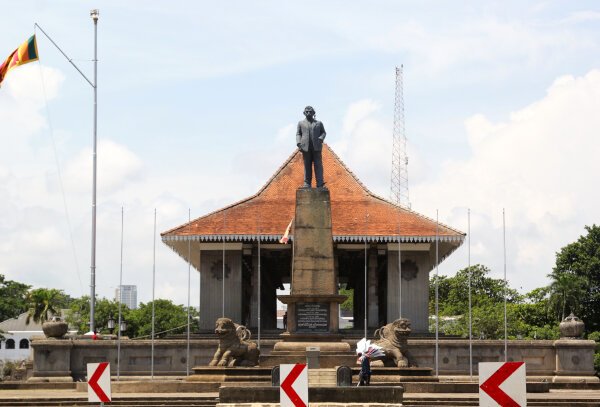
D. S. Senanayake Memorial
First prime minister at Independence Square
Country: Sri Lanka
Date: 2026
Place: Independence Square, Colombo
Constructed between 1949 and 1953
Magul Maduwa style
Designed by Tom Neville Wynne-Jones CBE, F. H. Billimoria, Shirley de Alwis, Oliver Weerasinghe, Homi Billimoria, Justin Samarasekera, and M. B. Morina
!The memorial forms part of Independence Square, one of Sri Lanka's most important national commemorative sites.
The statue of Don Stephen Senanayake stands prominently before the Independence Memorial Hall. Senanayake was the first prime minister of independent Ceylon and played a central role in the country's transition from British colonial rule.
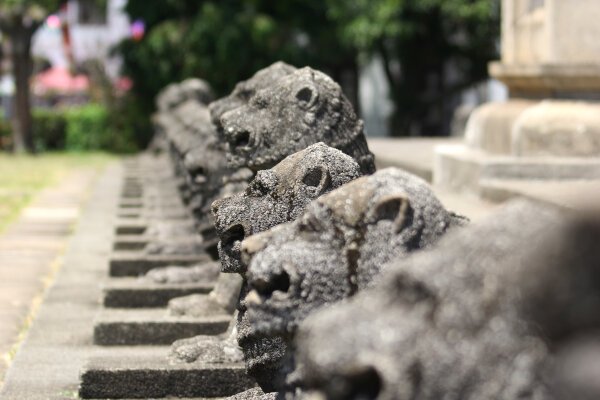
Independence Hall Lion Guardians
Symbolic sculptures around the memorial
Country: Sri Lanka
Date: 2026
Place: Independence Square, Colombo
Constructed between 1949 and 1953
Magul Maduwa style
Designed by Tom Neville Wynne-Jones, Shirley de Alwis
!The guardian figures were inspired by historic lion sculptures associated with the medieval kingdom of Yapahuwa.
A row of stone guardian lions surrounds the raised base of the Independence Memorial Hall. Their projecting eyes, compact bodies and strongly modelled heads contribute to the monument's distinctly Sri Lankan visual identity.
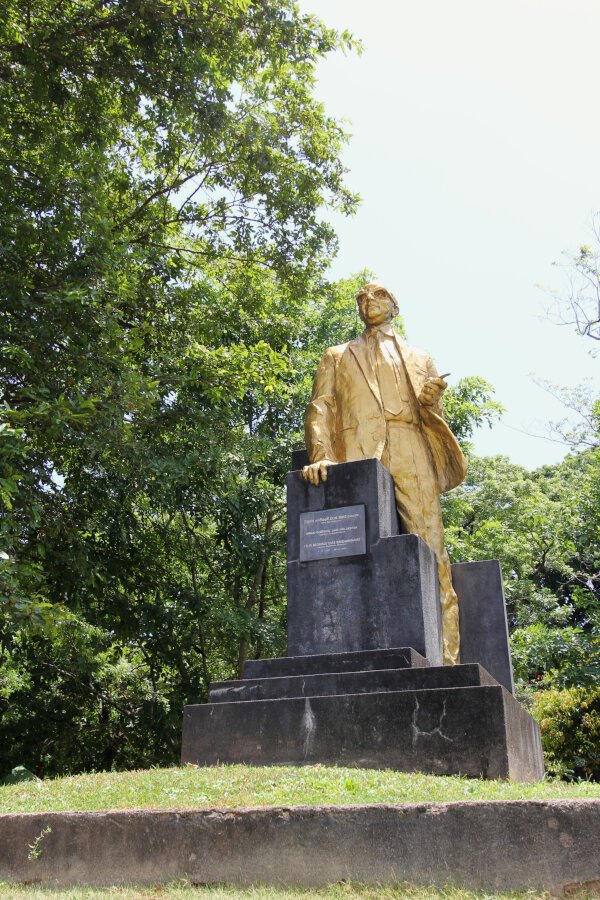
Felix Dias Bandaranaike Statue
Memorial to the Sri Lankan statesman
Country: Sri Lanka
Date: 2026
Place: Colombo
Erected following his passing in 1985
Western style
Made by and commissioned by the Sri Lankan State and the Bandaranaike family estate
!Felix Dias Bandaranaike was a prominent Sri Lankan lawyer and politician who served in several senior government positions.
A gold-painted memorial statue of Felix Reginald Dias Bandaranaike stands on a dark stone pedestal surrounded by mature park trees. He is portrayed in formal dress, holding a document while resting one hand on the monument.
New addition
Halterkreuz - Grein
Decorative Christian cross on a rocky hillside
Country: Austria
Date: 2025
Place: Grein
In 1960 replacing damaged wooden original cross
Wrought-iron/art-blacksmith style
Made by Karl Puchberger
!The Greek letters Alpha and Omega beneath the cross symbolise Christ as the beginning and the end, a reference to the Book of Revelation.
A 4 m tall ornamental Christian cross stands against a rocky, wooded hillside near Grein on the Danube. Its gold-coloured outlines, decorative centre and surrounding stonework create a distinctive religious landmark in the landscape.
New addition
Johann Strauss II Monument
Golden statue of the composer beneath a marble arch
Country: Austria
Date: 2025
Place: Stadtpark, Vienna
Unveiled on 26th of June 1921
Art Nouveau style
Made by sculptor Edmund Hellmer
!Johann Strauss II (1825–1899), known as the Waltz King, composed The Blue Danube, one of the world's most recognisable waltzes. The monument is among Vienna’s best-known musical landmarks.
The gilded statue of Johann Strauss II stands within an elaborate white marble arch in Vienna’s Stadtpark. The monument celebrates the composer whose waltzes became internationally associated with Viennese musical culture.
New addition
Maria Theresa Monument
Monumental bronze memorial to the Habsburg ruler
Country: Austria
Date: 2025
Place: Maria-Theresien-Platz, Vienna
Unveiled on 13th of May 1888
Historicism (specifically neo-Baroque) style
Made by Caspar von Zumbusch and architect Baron Carl von Hasenauer
!Maria Theresa ruled the Habsburg hereditary lands from 1740 to 1780 and introduced major reforms in education, administration and taxation. She was the mother of sixteen children, including Marie Antoinette, Queen of France.
The monumental bronze statue of Maria Theresa rises above an elaborate pedestal surrounded by figures of military commanders, advisers and important personalities of her reign. The memorial commemorates one of the most influential rulers of the Habsburg monarchy.
New addition
Obelisk Fountain - Schönbrunn
Historic fountain and obelisk in the palace gardens
Country: Austria
Date: 2025
Place: Schönbrunn Palace Gardens, Vienna
Erected in 1777
Late Baroque and Neoclassical / Egyptian Revival style
Made by sculptor Benedikt Henrici and designed by architect Johann Ferdinand Hetzendorf von Hohenberg
!The obelisk carries invented hieroglyphic-style inscriptions intended to symbolise the ancient and enduring power of the Habsburg dynasty.
The Obelisk Fountain is an elaborate Baroque garden monument featuring a tall stone obelisk above an artificial rocky grotto, cascading water and sculptural decorations.The fountain forms part of the historic gardens of Schönbrunn Palace.
New addition
Marian Plague Column - Jihlava
Historic Marian column surrounded by statues of saints
Country: Czech Republic
Date: 2022
Place: Jihlava
Built between 1686 and 1691
High/Early Baroque style
Made by builder Giacomo Braschi and stonemason Agostino Braschi, and sculpted by Antonio Laghi
!Plague columns became distinctive features of town squares across the Habsburg lands.
A historic Marian column rises above a sculptural base decorated with religious figures in Jihlava. Such monuments were erected throughout Central Europe as expressions of Catholic devotion and thanksgiving for protection from epidemics. The elevated statue and surrounding saints reflect the religious traditions of the Baroque period.
New addition
Plague Column - Valtice
Baroque column with sculpted religious figures
Country: Czech Republic
Date: 2022
Place: Valtice
Built between 1680 and 1690
Early Baroque style
Made by sculptor Mathias Gunst
!Valtice forms part of the UNESCO-listed Lednice-Valtice Cultural Landscape, historically shaped by the princely House of Liechtenstein. Its religious monuments reflect the Catholic and Baroque heritage of South Moravia.
An elaborate Baroque religious column stands in the historic town of Valtice. The monument features a tall central structure surrounded by sculpted saints and ornamental details. Such columns were erected as expressions of faith, thanksgiving and remembrance following epidemics that affected Central European communities.
New addition
Choragic Monument of Lysicrates
Ancient circular marble monument dating to 334 BC
Country: Greece
Date: 2023
Place: Athens
Erected in 335/334 BCE
Corinthian style
Made by , commissioned and erected by Lysicrates
!The monument is among the earliest surviving examples of the Corinthian order used on the exterior of a building. It originally supported a bronze tripod awarded for a winning theatrical performance.
A small circular marble structure commemorating a theatrical victory at the festival of Dionysus.
New addition
Francis II Rákóczi Equestrian Monument
Bronze equestrian statue of the Hungarian national hero
Country: Hungary
Date: 2025
Place: Budapest
Unveiled on 2nd of May 1937
Baroque Revival style
Made by sculptor János Pásztor and architect Dénes Györgyi
!Francis II Rákóczi (1676–1735) led the Hungarian War of Independence from 1703 to 1711 and is the most celebrated Hungarian figure.
The bronze equestrian statue of Francis II Rákóczi stands on a monumental stone pedestal near the Hungarian Parliament. The sculpture depicts the Hungarian prince mounted on a rearing horse, commemorating his leadership of the early 18th-century struggle against Habsburg rule.
New addition
St. Gerard Monument
Monument to Saint Gerard overlooking Budapest
Country: Hungary
Date: 2025
Place: Gellért Hill, Budapest
Completed in 1904
Neoclassical architecture style
Made by Gyula Jankovits, the pagan warrior figures carved by Aladár Gárdos and colonnade and arcaded structure designed by Imre Francsek
!Saint Gerard (c. 980–1046), also known as Gellért, was an Italian-born missionary and the first Bishop of Csanád. He helped establish Christianity in medieval Hungary and was killed during a pagan uprising in 1046. Gellért Hill was named in his honour.
The monumental bronze statue of Saint Gerard Sagredo stands high above a cascading waterfall on the slopes of Gellért Hill in Budapest. The bishop raises a cross in his right hand, while a semicircular colonnade frames the monument. Stone terraces, stairways and lush vegetation surround the dramatic hillside setting.